AI Safety, Evals & Red Teaming
Find practitioners working in AI Safety, Evals & Red Teaming. Read their profiles and inspect their contributions.
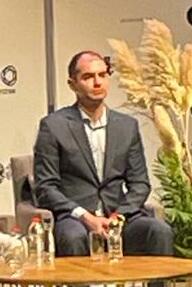
Ilya Sutskever
Safe Superintelligence Inc. (SSI)
Co-founder of Safe Superintelligence Inc. (SSI) and former Chief Scientist and co-founder of OpenAI. One of the most cited computer scientists in history with over 500,000 citations. Co-inventor of AlexNet (which launched modern deep learning in 2012), Sequence to Sequence learning with neural networks (precursor to modern attention and translation models), and chief architect behind GPT-1, GPT-2, GPT-3, GPT-4, and the Superalignment initiative.
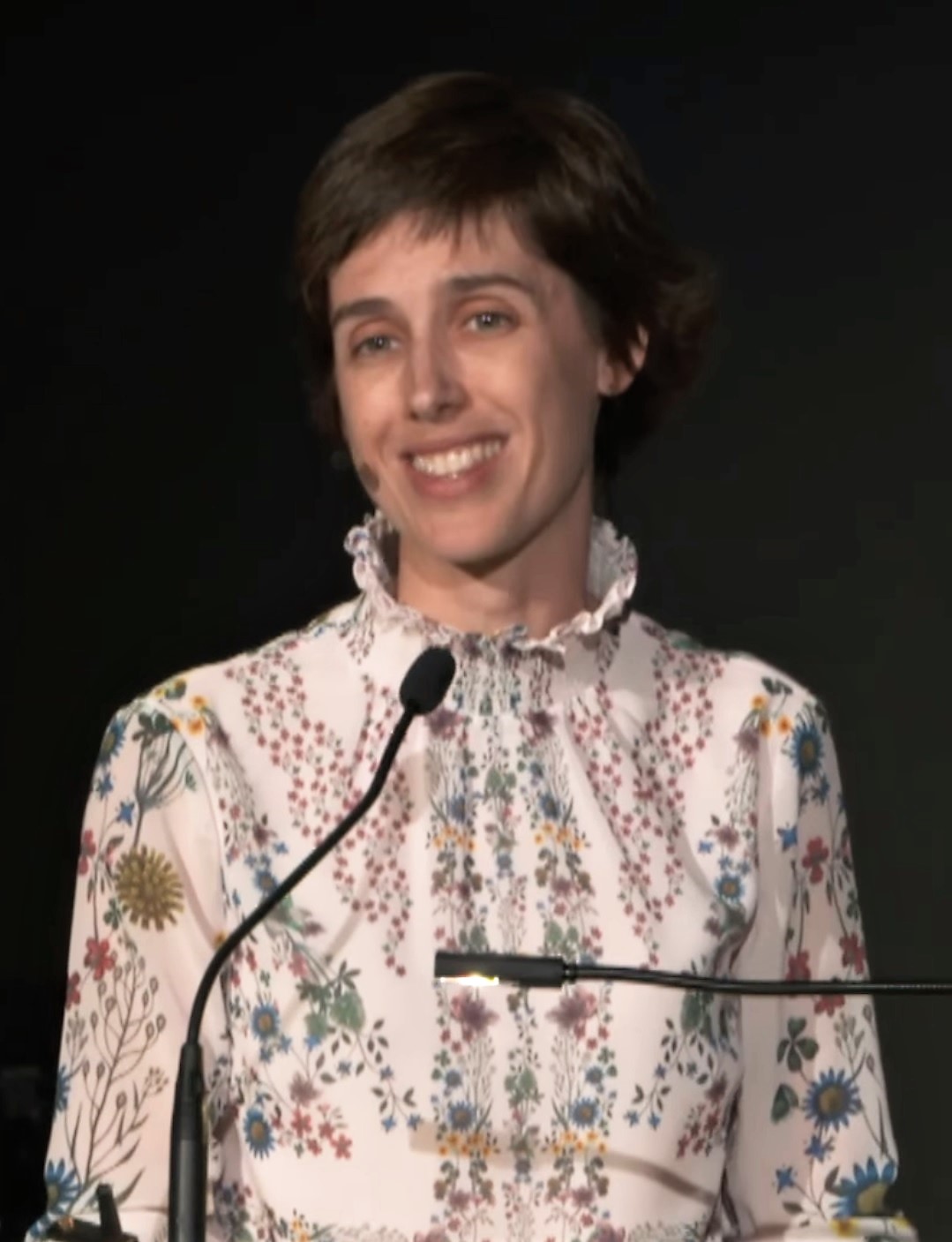
Joelle Pineau
Meta FAIR / McGill University
Vice President of AI Research at Meta, leading the Fundamental AI Research (FAIR) team, and Professor of Computer Science at McGill University (Core Faculty at Mila). Global champion of the AI Reproducibility Movement who created the NeurIPS Machine Learning Reproducibility Checklist. Pioneer in partially observable Markov decision processes (POMDPs) applied to healthcare decision-making, adaptive cancer therapy, and smart wheelchair robotics.
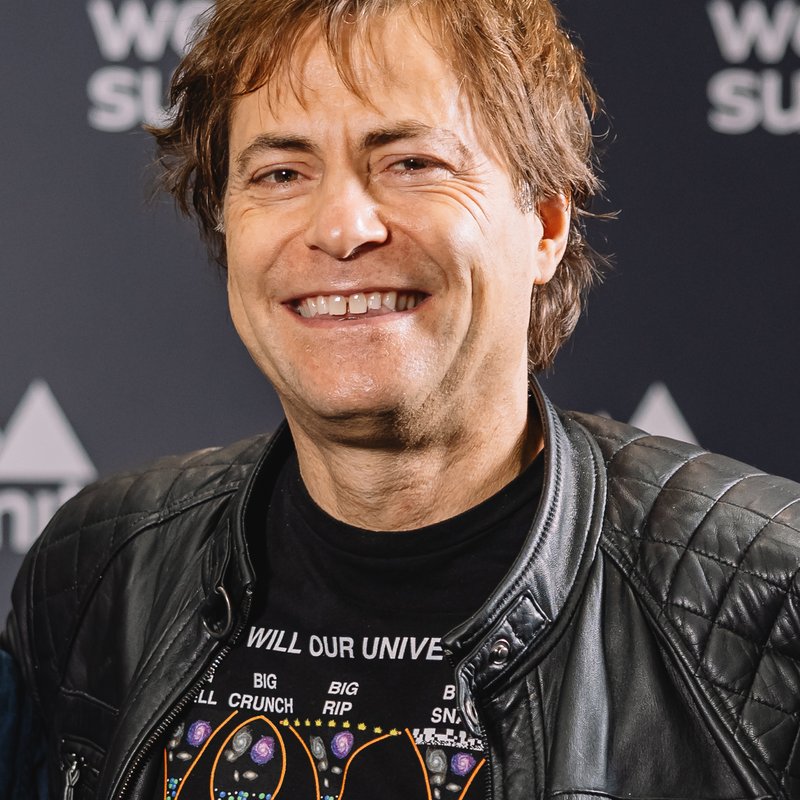
Max Tegmark
MIT / Future of Life Institute
Professor of Physics at MIT and President of the Future of Life Institute (FLI). Author of 'Life 3.0: Being Human in the Age of Artificial Intelligence'. Pioneer in mechanistic interpretability (AI Feynman), automated scientific discovery, neural network loss surfaces, and global policy coordination for existential AI risk mitigation.
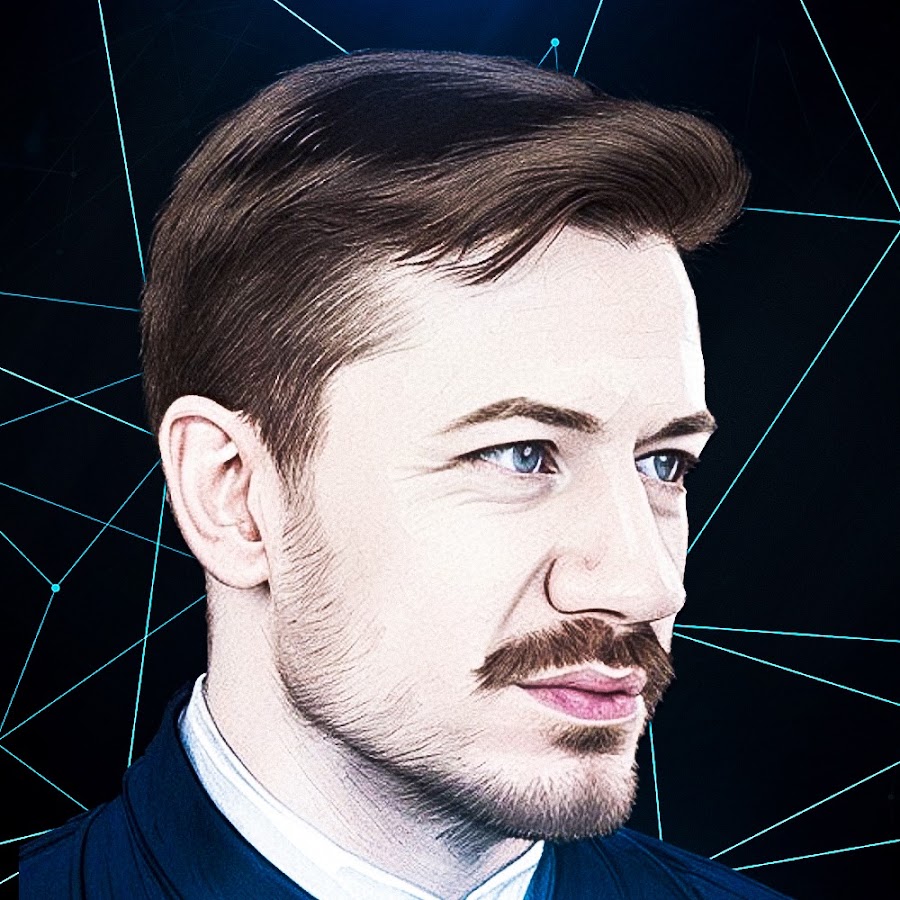
Michael Spencer
AI Explained
Creator and host of AI Explained, the acclaimed YouTube channel with over 400,000 subscribers known across the frontier research community for the most thorough, non-hype technical evaluations of frontier models, ARC-AGI, SWE-bench verified, and AI safety risks.
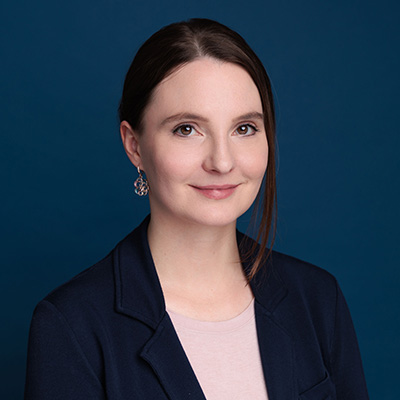
Natasha Jaques
University of Washington / Google DeepMind
Assistant Professor of Computer Science & Engineering at the University of Washington, Senior Research Scientist at Google DeepMind, and PhD from MIT Media Lab. Pioneer in Social Reinforcement Learning, Multi-Agent Coordination, and Open-Ended Learning. Known for developing intrinsic social motivation mechanisms, PAIRED (adversarial environment generation for robust agent generalization), and evaluating cooperative multi-agent dynamics.
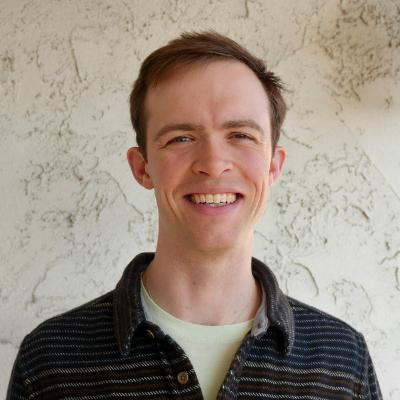
Nathan Lambert, Ph.D.
Allen Institute for AI (Ai2)
Staff Research Scientist at the Allen Institute for AI (Ai2) and author of the acclaimed newsletter Interconnects. Lead scientist on the open-source Tülu 3 post-training project and RewardBench, pioneering transparent, fully reproducible RLHF, Direct Preference Optimization (DPO), and verifiable reasoning alignment.

Neel Nanda
Google DeepMind
Lead of the Mechanistic Interpretability team at Google DeepMind and formerly Anthropic alignment researcher. Creator of TransformerLens, the de facto standard open-source research library for reverse-engineering the internal circuits, attention heads, and residual stream activations of transformer models. Internationally celebrated educator demystifying mechanistic interpretability through accessible tutorials and open challenges.

Paul Christiano
Alignment Research Center (ARC)
Founder of the Alignment Research Center (ARC) and creator of ARC Evals (now METR). Former lead of the language model alignment team at OpenAI, where he pioneered Reinforcement Learning from Human Feedback (RLHF)—the core technology enabling InstructGPT, ChatGPT, Claude, and modern aligned LLMs. Appointed as head of AI safety for the US AI Safety Institute (NIST).

Sebastien Bubeck
Microsoft Research
Vice President of GenAI Research at Microsoft and former Professor at Princeton University. Renowned for leading the milestone 'Sparks of Artificial General Intelligence' empirical research team studying early GPT-4 checkpoints. Pioneer of the Phi series of Small Language Models (Phi-1, Phi-2, Phi-3, Phi-4), proving that high-quality synthetic educational data ('Textbooks are all you need') enables compact models to outcompete massive baselines.
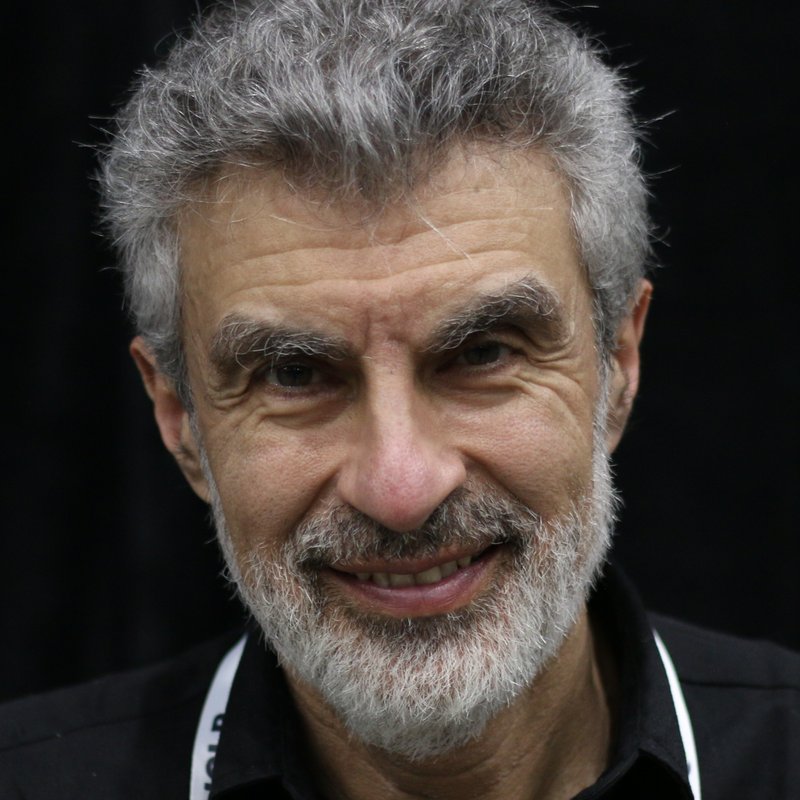
Yoshua Bengio
Mila - Quebec AI Institute / Université de Montréal
Turing Award Laureate (2018) and Scientific Director of Mila - Quebec AI Institute, the world's largest academic research center for deep learning. Full Professor at Université de Montréal and recipient of the Order of Canada. Renowned for neural language models, attention mechanisms, Generative Adversarial Networks (GANs), and GFlowNets. Currently chairs the International Scientific Report on Advanced AI Safety.